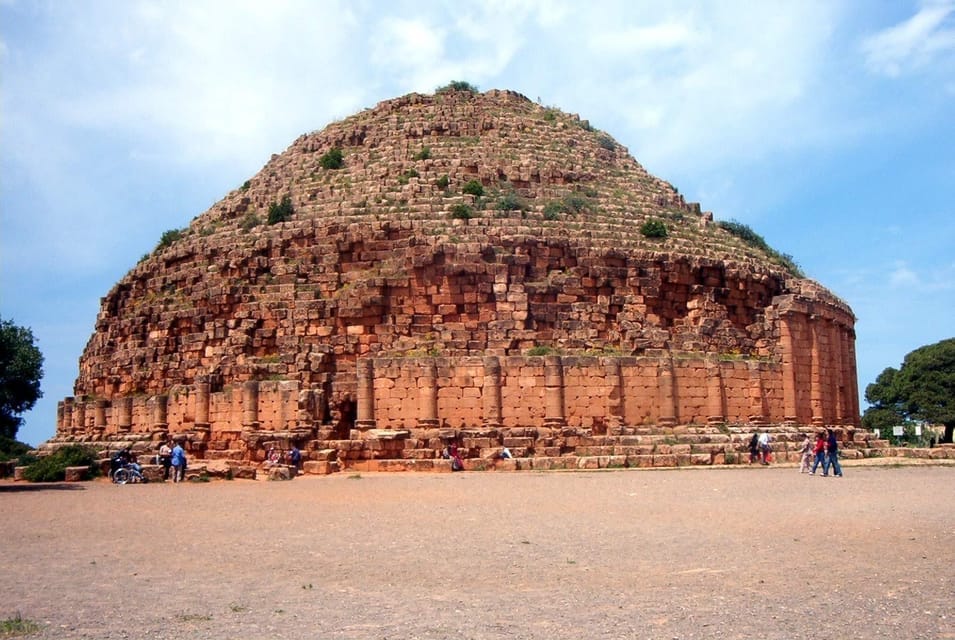

Unveiling North Africa’s Best-Kept Secret
For decades, North Africa has been a magnetic hub for international travelers. Millions flock annually to the well-trodden paths of Morocco and Tunisia. Yet, wedged dynamically between them lies the largest country on the African continent. This vast land features sweeping Saharan dunes, remarkably preserved Roman ruins, and vibrant Mediterranean coastlines. This is Algeria.
For many global wanderers, however, the country remains shrouded in mystery. They often ask a fundamental question before booking a flight: is Algeria safe for tourists? Is it truly friendly to outsiders?
The short, direct answer is a resounding yes. Algeria is immensely friendly, safe, and deeply rewarding. You just need to approach it with an open mind and a sense of adventure.
In fact, the country presents a rare luxury in the 21st century. It offers an authentic, raw, and completely uncommercialized travel environment. Unlike its neighbors, you will not encounter aggressive street vendors, tourist trap pricing, or overwhelming crowds. Instead, a travel to Algeria offers genuine cultural connections and pristine landscapes. The local hospitality leaves an indelible mark on your soul.
Are you an intrepid solo backpacker? A couple seeking architectural wonder? A senior traveler looking for historical depth? This guide covers everything you need to know before you visit Algeria. We will explore cultural nuances, safety metrics, and the best places to visit in Algeria. Learn how to unlock this extraordinary Mediterranean jewel safely and seamlessly with the right support.
“Unlike heavily commercialized tourist hubs, tourism in Algeria remains perfectly pristine, profoundly authentic, and delightfully uncrowded.”
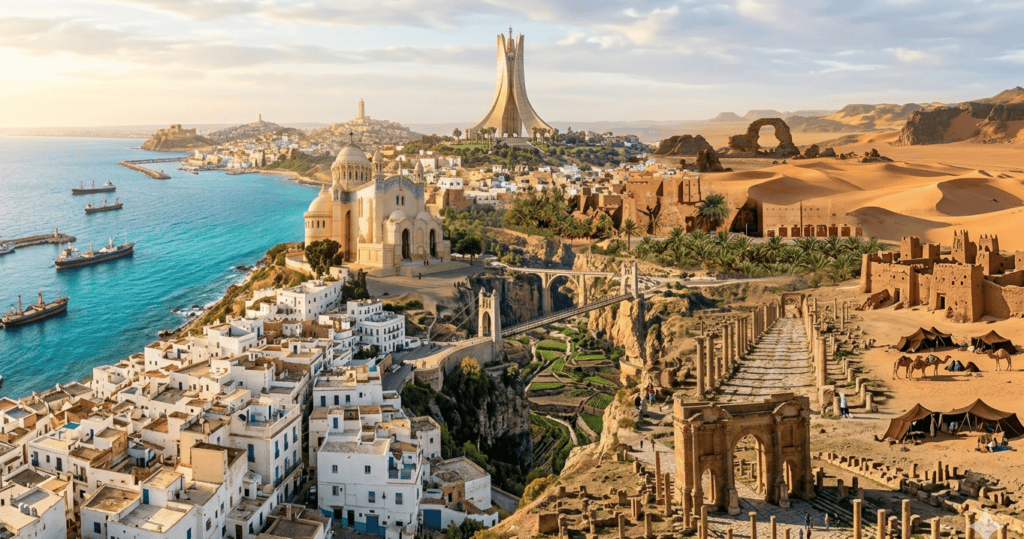
The Fabric of Algerian Society: A Culture of Radical Hospitality
Many international travelers take the leap to explore Algeria. They are universally astonished by one defining characteristic: the overwhelming warmth of the local people.
In Algerian culture, hospitality is not a mere social courtesy. It is a sacred, deeply ingrained cultural pillar. Its roots lie in centuries of Berber traditions, Islamic values, and Mediterranean openness. Locally, this is an extension of Ikram (honor and generosity). Welcoming a guest is viewed as both a privilege and a duty.
Explore the historical paths or city centers. Locals will commonly stop you, smile, and say, “Marhaban bikum f’Lrayer” (Welcome to Algeria). Do not be surprised if a shopkeeper refuses payment for water or traditional pastry. They do this simply because you are a foreign guest in their homeland.
Are you enjoying an independent or guided Algeria travel experience? You will likely be invited into a family home. Sharing sweet mint tea or a steaming plate of homemade couscous is a standard occurrence here.
Mass tourism is still in its infancy. Therefore, the local population views foreign visitors with genuine curiosity and respect. You are not viewed merely as a financial target.
Locals are eager to share their history and diverse heritage. They are intensely invested in making sure your perception of their country is positive. This creates a remarkably safe, comforting atmosphere. You feel less like a clinical observer and more like an honored guest of the community.
Demystifying Safety: Is Algeria Safe for Tourists?
When evaluating the question—is Algeria safe for tourists—it is crucial to separate historical perceptions from modern realities. While the 1990s were a turbulent chapter in the country’s modern history, the Algeria of today is a stable, highly secure nation. The government invests heavily in national security and infrastructure, resulting in peaceful cities and closely monitored highways. Petty crime, such as pickpocketing or bag snatching, occurs far less frequently in Algiers than in major European capitals like Paris, Barcelona, or Rome.
Safety for Solo Travelers
Solo travelers will find Algeria to be an empowering and deeply educational destination. For solo men, the country is incredibly straightforward to navigate, provided standard urban awareness is maintained. For solo female travelers, the experience is highly rewarding but requires a solid understanding of local cultural norms. Algeria is a conservative, predominantly Muslim country. While women enjoy significant professional autonomy and freedom locally, foreign solo female travelers will naturally attract curiosity. Dressing modestly (covering shoulders, chest, and knees) and behaving with confident reservation helps minimize unwanted attention. In rural and traditional regions, having a trusted local guide in Algeria ensures seamless interactions and buffers any potential cultural misunderstandings.
Safety for Couples
Couples can travel through Algeria with minimal stress. The primary rule of thumb is avoiding public displays of affection (PDA). These are frowned upon across all demographics, regardless of your nationality. Holding hands is generally fine in liberal urban centers like Algiers or Oran. However, keeping expressions of affection modest ensures compliance with local norms. It also maintains mutual respect with your hosts.
Safety for Seniors and Multi-Generational Travelers
Seniors looking to immerse themselves in deep Mediterranean history will find Algeria incredibly welcoming. Senior travelers are treated with immense deference and respect across North Africa. However, logistical pacing is important. Some historic sites, particularly ancient Roman ruins or hilly terrain like Constantine, require extensive walking over uneven cobblestones. Planning your itinerary through structured Algeria tours featuring private transport and custom pacing ensures a highly comfortable, luxurious journey free from logistical exhaustion.
The Golden Map: Best Places to Visit in Algeria
Algeria’s sheer geographical diversity means it hosts treasures that span multiple eras of human history. As highlighted by authoritative travel resources like Lonely Planet Algeria, the country satisfies every travel style. Below are the definitive, must-see destinations to add to your bucket list.
1. Algiers: The White City and the Living Casbah
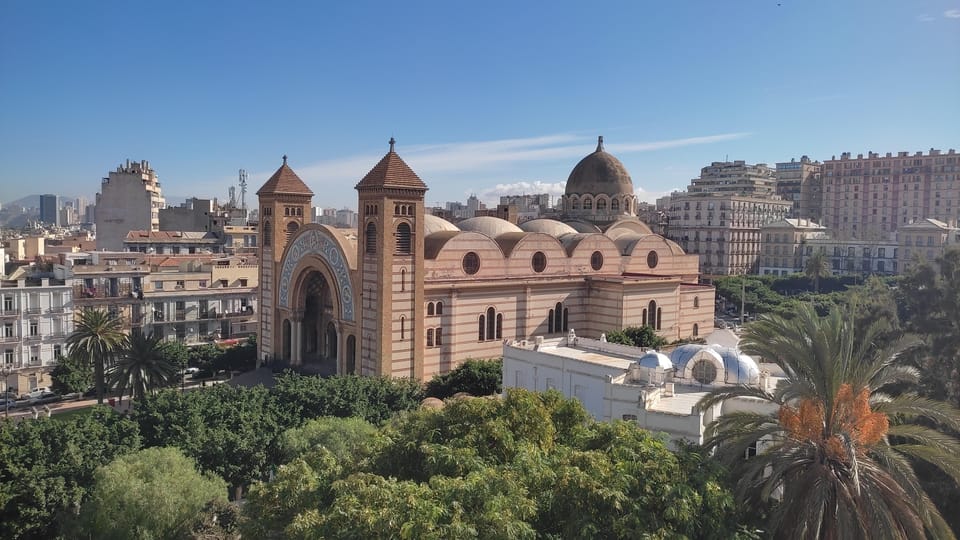
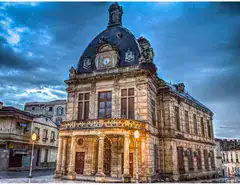
The nation’s capital, Algiers (Alger la Blanche), climbs dramatically up steep hills overlooking the sparkling blue Mediterranean Sea. It is a stunning visual cocktail of stark white French colonial architecture, grand wide boulevards, and a deep historical core. At the heart of the capital sits the ancient Casbah of Algiers, a legendary citadel filled with tightly packed, winding labyrinthine alleys, traditional Ottoman palaces, and vibrant artisan workshops. The Casbah is proudly designated among the premier UNESCO Algeria sites. Walking through it feels like stepping back in time, offering an immersive look into the historical soul of the nation.
2. Constantine: The City of Majestic Bridges
Constantine is one of the world’s most dramatic urban spectacles. It is perched breathtakingly across a deep limestone canyon carved by the Rhumel River.
Known globally as the “City of Bridges,” its neighborhoods are linked together tightly. A series of historic, soaring suspension bridges hang hundreds of feet in the air. The city boasts an incredible blend of Numidian, Roman, Ottoman, and French history. This makes it an essential stop for an unforgettable, visually striking urban exploration.
3. Tipasa: Roman History Whispering to the Waves
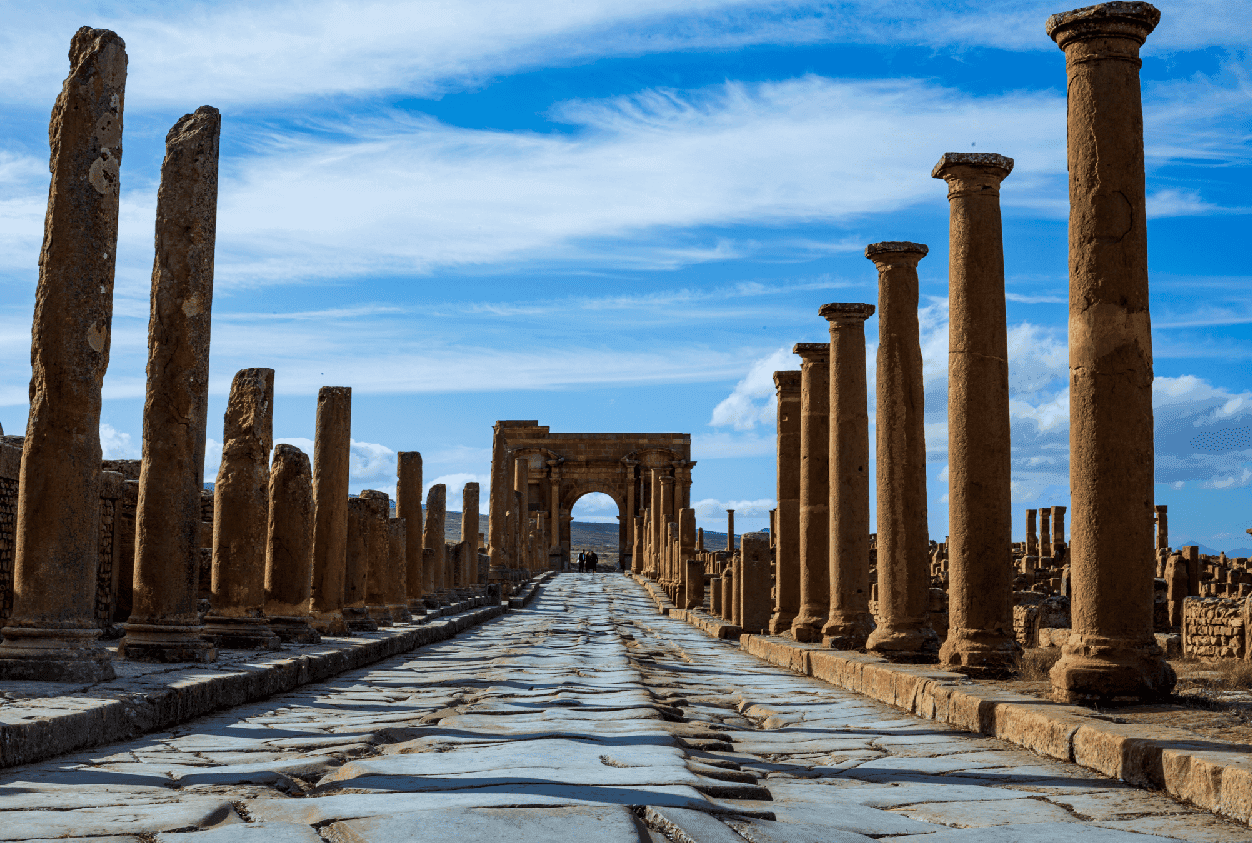
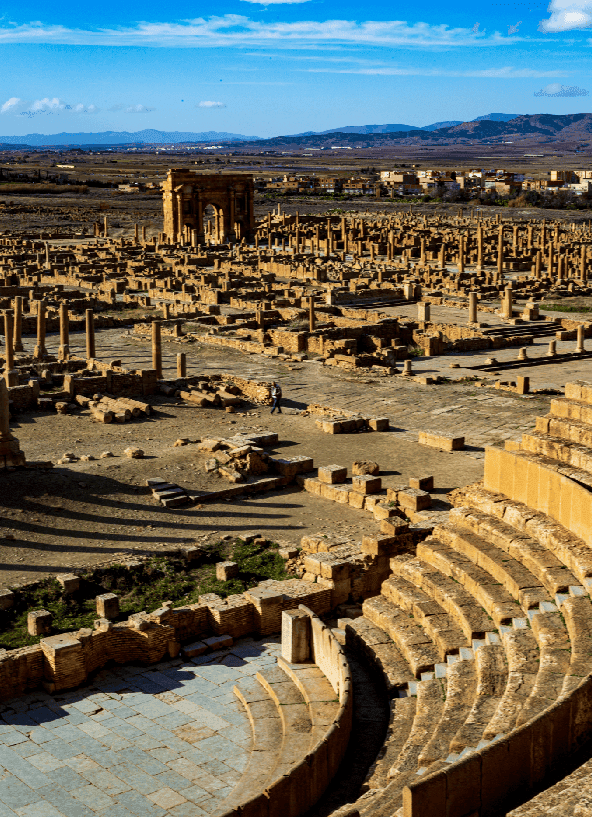
Located just a short drive west of Algiers, Tipasa offers an unparalleled archeological marvel. Here, ancient red-stone Roman ruins sit directly on the shores of the azure Mediterranean Sea.
Walk through the remains of grand basilicas, ancient amphitheaters, and thermal baths. You can do this while listening to the waves crash against the shore. It provides an intimate, tranquil historical window. The site rivals any archaeological zone in Italy or Greece. Best of all, it lacks frustrating tourist barricades and long ticket lines.
4. Djanet and Tamanrasset: The Soul-Stirring Deep Sahara
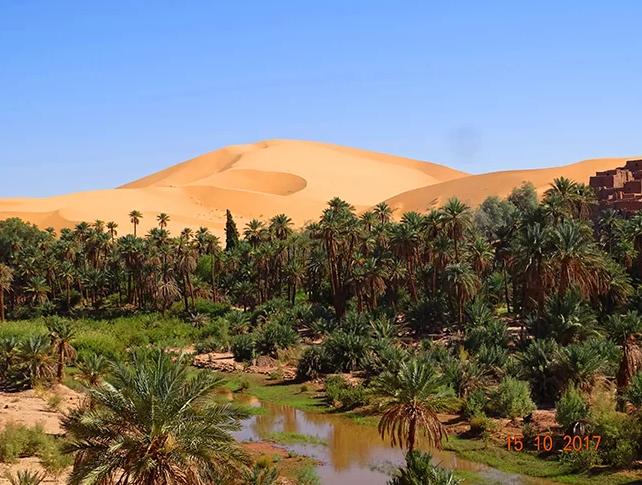
No trip to this magnificent country is truly complete without venturing south. The vast expanse of the Sahara Desert blankets over four-fifths of the national territory.
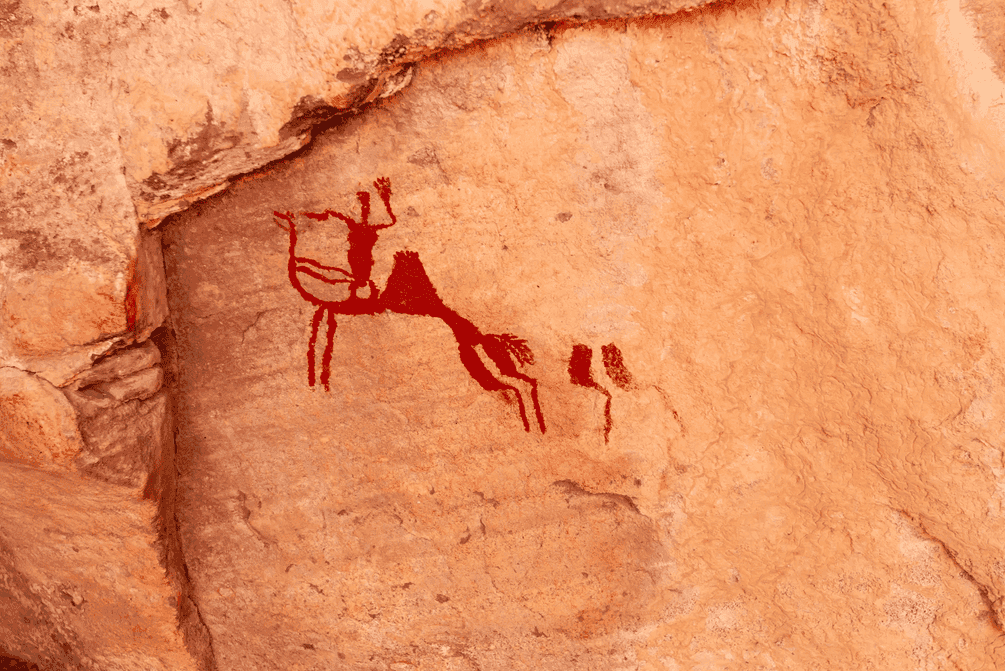
Djanet, an oasis town in southeastern Algeria, serves as the gateway to the Tassili n’Ajjer National Park. This otherworldly landscape features towering orange sand dunes and dramatic black sandstone arches. It also hosts the world’s largest collection of prehistoric rock art. Some pieces date back more than 10,000 years.
Further west, Tamanrasset offers access to the Hoggar Mountains. Jagged volcanic peaks create a unique lunar landscape. This scenery glows vibrantly under the golden hour sun.
Culinary Traditions and Rich Cultural Immersion
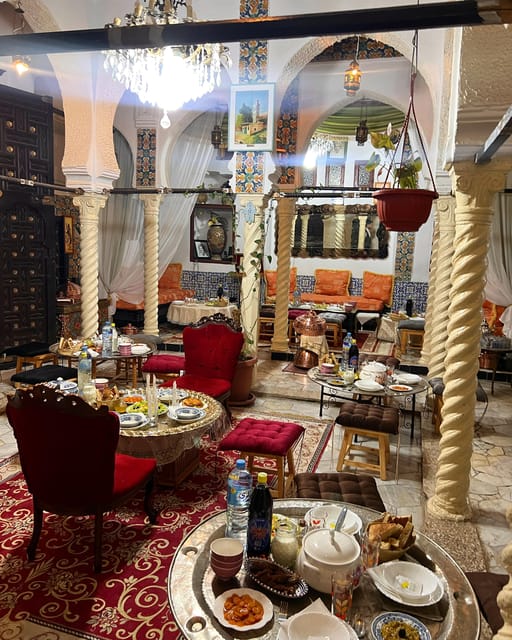
An often-overlooked highlight of any comprehensive Algeria travel experience is the incredible local cuisine. Algerian food is a flavorful, aromatically complex fusion of indigenous Berber techniques, Arab spices, Ottoman influences, and refined French culinary presentation. The national dish, Couscous, is prepared delicately by steaming semolina grains over a rich, flavorful broth filled with tender lamb, chicken, and seasonal vegetables like zucchini and chickpeas.
Other traditional dishes you must try during your travels include:
- Chorba Frik: A rich, aromatic tomato-based green wheat soup infused with coriander and fresh mint, commonly served with crispy Bourek pastry sheets.
- Tajine Zitoun: A savory, slow-cooked chicken stew prepared with fresh green olives, mushrooms, and lemon in a fragrant saffron broth.
- Mechoui: Whole-roasted pit lamb seasoned extensively with local spices, resulting in incredibly tender, fall-off-the-bone meat.
- Kesra and Aghrum: Traditional, dense local flatbreads baked over clay plates, perfect for dipping in extra-virgin olive oil or local honey.
Dining in Algeria is highly social and centered around community. Sharing a meal is a sign of peace and mutual respect. To round off your culinary adventures, sit back at a local sidewalk café and enjoy a glass of sweet, frothy mint tea brewed fresh with a touch of orange blossom water, or savor a strong, dark espresso—a lasting nod to the café culture inherited from the French colonial era.
The Essential Role of a Local Guide: Why Travel with TourDZ?
While independent travel is technically possible in northern Algeria, the country’s tourist infrastructure is still growing. Navigating internal logistics can present unexpected hurdles for first-time international visitors. According to data tracked via the Wikipedia Algeria tourism overview, language barriers represent a notable challenge, as English is not widely spoken outside upscale hotels; locals communicate primarily in Algerian Arabic (Darja), Berber languages, and French.
Furthermore, arranging regional transportation, booking domestic flights to Saharan outposts like Djanet, securing accurate historic information, and successfully navigating the mandatory tourism visa application process require specialized local knowledge. This is exactly where partnering with a premium Algeria tourist guide or opting for structured, curated tours becomes invaluable.
TourDZ bridges the gap seamlessly between adventurous global travelers and the highly authentic soul of Algeria. As a premier local guide platform, TourDZ connects you directly with professional, licensed, and deeply passionate local guides who understand the intricate nuances of their home regions. Utilizing a specialized local guide in Algeria through TourDZ unlocks key advantages:
| Travel Challenge | The TourDZ Solution |
| Complex Visa Paperwork | TourDZ provides verified itinerary confirmations and documentation support required by Algerian embassies globally. |
| Saharan Logistical Permits | Travel to the deep south requires mandatory local permits and security coordination, all handled automatically by our desert specialists. |
| Language Barriers | Our guides speak fluent English, French, and Arabic, facilitating deep, authentic conversations with local community members. |
| Hidden Cultural Gems | Gain VIP entry into ancient family homes in the Casbah, historic mosques, and hidden culinary spots unknown to standard guidebooks. |
By choosing custom, carefully curated platforms, you transform a potentially stressful logistical puzzle into a beautifully seamless, deeply immersive, and profoundly safe travel masterpiece. It allows you to focus 100% of your energy on soaking in the breathtaking sights and sounds around you.
Frequently Asked Questions (FAQ)
1. Do I need a visa to travel to Algeria?
Yes, the vast majority of international passport holders (including US, UK, Canadian, and European citizens) require a tourist visa before arrival. You must apply at your nearest Algerian embassy or consulate. TourDZ assists booked guests by providing the official invitation letters and detailed itineraries required for a successful application. For specific southern Saharan tours, a tourist visa-on-arrival is sometimes available via registered local agencies.
2. What is the best time of year to visit Algeria?
The optimal time depends heavily on your specific itinerary. For northern cities like Algiers, Constantine, and Tipasa, the spring (March to May) and autumn (September to November) offer beautiful, mild Mediterranean weather. If your goal is to explore the deep Sahara Desert (Djanet or Tamanrasset), winter (October to April) is the absolute best window, featuring warm sunny days and crisp, cold desert nights ideal for stargazing.
3. How should women dress when traveling in Algeria?
While a headscarf (hijab) is generally not mandatory for foreign female tourists except when entering active religious mosques, dressing modestly is highly recommended across all regions. Opt for loose-fitting clothing that covers your shoulders, chest, and knees. Linen pants, long maxi dresses, and light cardigans are perfect options that keep you comfortable in the heat while respecting local traditions.
4. Is English widely spoken across Algeria?
English is growing in popularity among the younger generation and inside premium international hotels, but it is not universally spoken. The primary languages used daily are Algerian Arabic (Darja), Berber dialects, and French, which remains widely utilized in business and administration. Traveling with an experienced bilingual guide ensures you never face isolating communication barriers.
Ready to Experience the Magic of Authentic Algeria?
Don’t just read about the breathtaking ancient Roman ruins, the soaring bridges of Constantine, and the pristine dunes of the Sahara—experience them firsthand with absolute peace of mind. Let the country’s legendary hospitality welcome you while we manage all the complex logistics.
Visit the TourDZ homepage today to plan your personalized itinerary, explore our curated selection of comprehensive TourDZ Algeria tours, or dive into our specialized TourDZ destinations guide to map out your dream escape.